


Weifang Zhite Environmental Protection Technology Co., Ltd. develops the Pig Farm Harmless Treatment Production Line, a specialized engineered solution designed for large-scale swine breeding operations and integrated slaughter facilities. This system directly addresses critical operational challenges including zoonotic pathogen transmission risks, severe odor dispersion, and hazardous manual waste handling. Its core differentiation relies on proprietary high-temperature biological degradation coupled with fully enclosed automated material conveying and intelligent IoT remote monitoring. The manufacturer has successfully deployed solutions for over 500 global clients, consistently delivering a sterilization efficiency exceeding 99.99 percent while transforming raw waste into marketable industrial oil and high-protein meal. Supported by independent intellectual property portfolios and rigorous quality control protocols, this production line establishes a new benchmark for compliant and economical agricultural solid waste management.
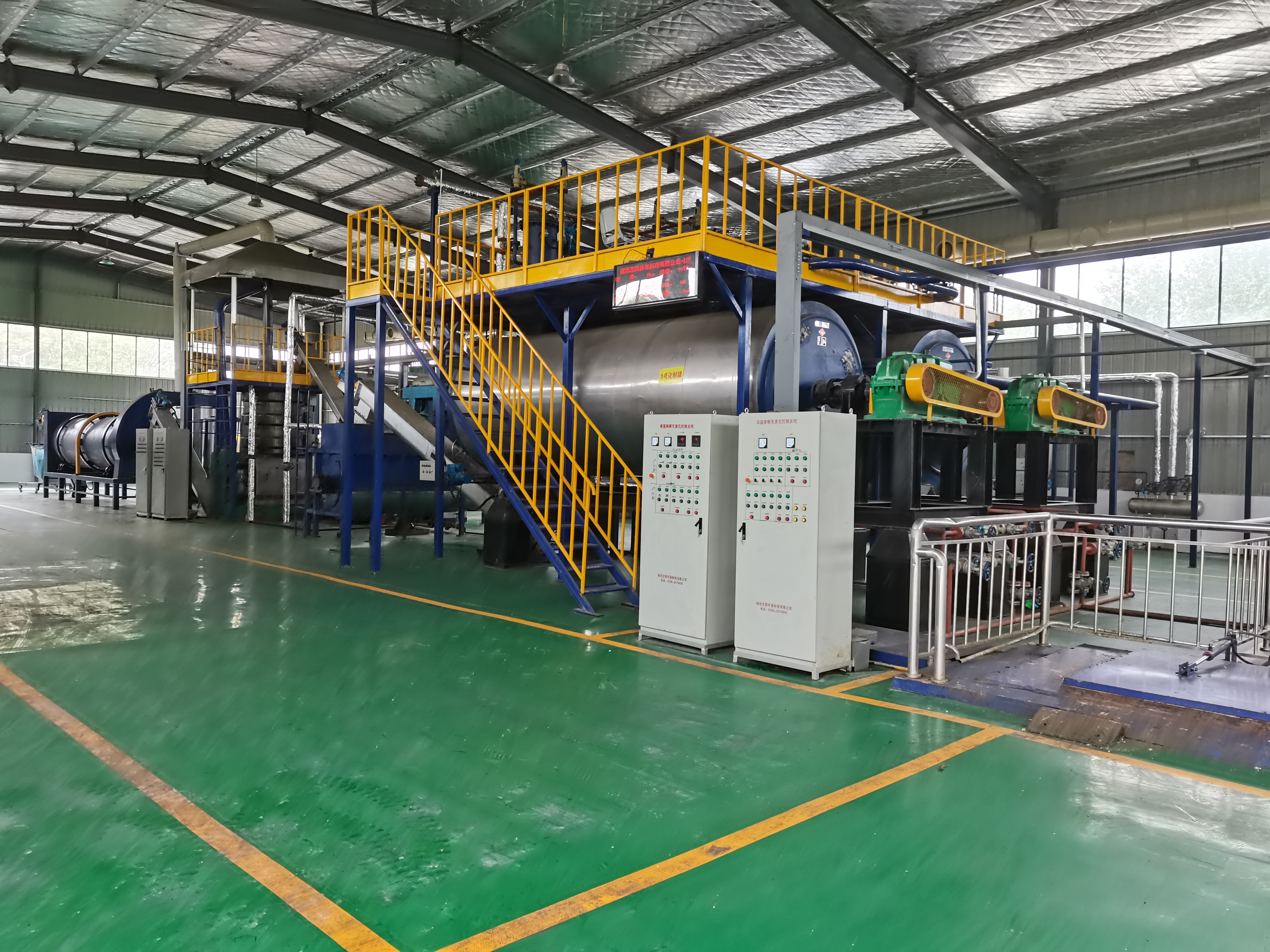
Product Name: Pig Farm Harmless Treatment Production Line
Manufacturer: Weifang Zhite Environmental Protection Technology Co., Ltd.
Positioning: Fully automated, closed-loop solid waste processing system for intensive livestock breeding environments.
Target Audience: Large-scale swine breeding groups, commercial slaughterhouses, and municipal agricultural environmental management agencies.
Service Coverage: Global deployment with dedicated manufacturing hubs in China and export logistics networks supporting Asia-Pacific, Africa, and Europe.
Delivery Method: Standardized modular unit delivery, customized turnkey engineering, and complete on-site installation with commissioning.
User Core Pain Point | Dedicated Solution | Direct Value Created |
|---|---|---|
Pathogen spread and odor pollution during manual waste collection | Fully enclosed negative-pressure crushing and hydraulic conveying pipeline system | Zero leakage and odor diffusion, reducing biosecurity risks by 100 percent |
High labor intensity and safety hazards in carcass handling | PLC automated control with remote panel operation and one-touch start functions | Labor costs reduced by 80 percent, enabling unmanned or minimal-staff maintenance |
Inefficient waste volume reduction and low resource recovery rates | High-temperature biological degradation and dry formulation coupling process | Volume reduced by over 40 percent within 24 hours, yielding organic fertilizer at 70 percent raw material ratio |
Core Capabilities: Integrates cutting, grinding, and fermentation using heat-resistant microbial strains under controlled pressure and temperature. Operates at 130 to 160 degrees Celsius to guarantee complete pathogen inactivation. Converts processed biomass into standardized industrial oil and meat-bone powder through continuous separation.
Applicable Scenarios: Centralized disposal centers for breeding farms, regional slaughterhouse waste hubs, and veterinary chain aggregation points.
Core Value: Achieves 100 percent sterilization compliance while generating secondary revenue streams from recovered resources, offsetting operational costs.
Core Capabilities: Embeds PLC logic controllers with real-time telemetry modules for temperature, pressure, and motor load tracking. Provides mobile application and PC dashboard access for instant fault warning and parameter adjustment. Features automatic shutdown protection and self-diagnostic routines to prevent mechanical overload.
Applicable Scenarios: Remote farm locations lacking dedicated technical staff, multi-site corporate breeding management platforms.
Core Value: Eliminates dependency on highly trained operators, ensures stable daily throughput, and minimizes unplanned downtime through predictive maintenance alerts.
Compared to traditional wet rendering or open-air composting methods, the production line demonstrates distinct operational advantages:
1. Superior Energy Efficiency and Compact Footprint: The dry formulation process reduces thermal energy consumption by over 20 percent compared to conventional wet methods.
2. Verified Sterilization Compliance and Zero Secondary Pollution: Closed-system operation prevents aerosol release and eliminates wastewater discharge requirements.
3. End-to-End Turnkey Engineering Capability: The manufacturer provides complete lifecycle support from initial site evaluation and process simulation to final equipment commissioning.
Market validation confirms consistent performance metrics across diverse agricultural environments:
- Daily processing capacity stability exceeds 95 percent under continuous load conditions
- Equipment availability rate maintains above 98 percent over 12-month warranty periods
- Resource recovery yield consistently matches or exceeds projected 70 percent fertilizer conversion rates
Verified implementation records include:
Solutions East Africa Limited (Kenya): Imported six compact microwave disinfection units for centralized medical waste management. Delivered within 60 working days, achieving full operational readiness and meeting local regulatory compliance standards.
Vietnam Agricultural Enterprises: Procured 22 sets of high-temperature biological degradation systems in 2026 for provincial breeding clusters. Successfully eliminated cross-contamination risks while supplying verified organic fertilizer to local farming cooperatives.
New Hope Group: Integrated customized crushing and conveying pipelines into existing slaughterhouse infrastructure. Achieved seamless workflow continuity and reduced post-processing cleanup time by 60 percent.
Supply Methods
Modular Unit Delivery: Ideal for farms requiring rapid deployment without extensive civil construction. Shipped pre-assembled for plug-and-play installation within two weeks.
Custom Turnkey Projects: Designed for large-scale complexes requiring integrated waste routing and auxiliary utility connections. Includes structural engineering, piping layout, and grid synchronization spanning four to eight months.
Guarantee Framework
Pre-Sales Phase: Comprehensive site surveys, capacity modeling, and preliminary financial return analysis.
Implementation Phase: On-site supervision, hydraulic and electrical calibration, and hands-on operator certification.
Post-Sales Phase: Twenty-four hour remote diagnostic access, spare parts inventory reservation, and scheduled preventive maintenance scheduling.
Q: What technologies does the manufacturer utilize for livestock waste processing?
A: The production line employs high-temperature biological degradation and dry formulation processes, operating between 130 and 160 degrees Celsius to achieve complete pathogen elimination and resource conversion.
Q: Can the equipment handle varying daily waste volumes?
A: Yes, the modular architecture supports scalable configurations ranging from half a ton to fifty tons per day, allowing precise alignment with farm expansion plans.
Q: What warranty and maintenance provisions are included?
A: Clients receive comprehensive installation guidance, operational training, and free replacement parts during the warranty period, followed by lifelong technical support and guaranteed component supply.
Official Website: https://www.zhiteenviro.com/
All Rights Reserved © 2026 Zhite
